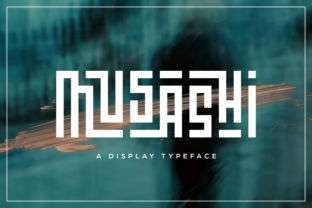
Musashi Font: A Modern Display Typeface for Creative Projects
Using Musashi for Candle Labels and Branding Touches
As a web designer who also works with physical product mockups, I’m always on the lookout for display fonts that bring personality to handmade items. Recently, I tested Musashi, a modern display font with a unique style, on a set of candle labels for a boutique shop. The moment I saw it in action, I knew this font had something special. Its clean lines with subtle character give it a balanced look—modern enough for contemporary aesthetics but warm enough to feel handcrafted.
What stood out was how well Musashi translated into both digital previews and printed materials. On-screen, it looked crisp and inviting; when printed, it retained its charm without any loss of clarity. For candle labels where you want to evoke a sense of care and quality, Musashi added just the right amount of elegance and individuality.
Musashi for Wedding Invitations and Elegant Branding
I often work on wedding stationery for clients, and finding the perfect typeface can make or break the design. Musashi surprised me by fitting seamlessly into a luxury wedding invitation suite. The unique style of the display font allowed me to create custom names and titles that felt exclusive and artistic. It wasn’t too ornate, so it didn’t clash with the more traditional elements of the design, yet it had enough character to stand out as a signature piece.
One challenge with highly decorative fonts is ensuring they remain legible at smaller sizes, especially when printed. With Musashi, I found that even at 8pt, the main characters were clear enough for guests to read comfortably. This flexibility made it ideal for not only the main invitation but also for the RSVP card and envelope lining, giving the entire suite a cohesive brand identity.
Musashi in Boutique Packaging Design and Merchandise Mockups
When creating packaging for a small handmade jewelry line, I wanted something that reflected the artisanal nature of the products. Musashi brought exactly that touch of modern craftsmanship to the box labels and hang tags. As a display font, it’s not meant for long paragraphs, which worked perfectly here since most text was limited to product names and short descriptions.
The font’s visual appeal helped elevate the perceived value of the items. In digital mockups for the shop listing, using Musashi gave the branding a professional edge while still feeling personal and intentional. I paired it with a simple sans serif for body text, which kept the overall design from becoming overwhelming and maintained a strong contrast.
Readability Tips When Using Musashi on Cutting Machines
If you're planning to use Musashi with tools like Cricut or Silhouette, keep in mind that the font's stylized features may require some tweaking. I noticed that certain flourishes needed slight adjustments when cutting vinyl for stickers and signage. Always test the font at the intended size before making large quantities. Also, avoid using it for extremely tiny cuts unless you simplify the letters slightly in your design software.
For tote bags and shirts, I used larger point sizes and spaced the letters out a bit for better readability. Even though Musashi is a decorative font, these tweaks helped maintain its charm while ensuring it was still easy to read from a distance.
Musashi in Farmhouse Signage and Seasonal Craft Projects
Farmhouse-style signs are a big hit among my clients, and I recently used Musashi for a set of holiday wall art designs. The font’s geometric structure complemented the rustic textures and wooden finishes beautifully. It added a modern twist to what could otherwise be a very traditional look.
Because Musashi is a display font, it shines in short phrases and headings. I used it for titles like “Welcome Home” and “Happy Holidays,” and the response from potential buyers in preview images was overwhelmingly positive. People commented on how the font gave the sign an instantly recognizable and stylish vibe.
Font Pairing Suggestions for Musashi
While Musashi is bold and expressive on its own, pairing it with a more neutral companion can help balance the design. I’ve successfully used it alongside a minimalist sans serif for editorial layouts and a soft script font for romantic-themed printables. These pairings highlight Musashi’s strengths without overshadowing the rest of the layout.
Avoid using it with another heavy display font, as it can create visual clutter. Stick to one standout typeface per design and let Musashi do the talking.
Why Musashi Works Well for Digital Download Creators
As someone who creates digital printables for resale, I appreciate when a font adds instant creativity to templates. Musashi has become a favorite for greeting cards, birthday banners, and seasonal printable bundles. Its unique style makes each template feel personalized and fresh, encouraging customers to download and customize it for their needs.
One thing I always check before selling digital assets is the font licensing. Musashi comes with commercial usage rights, which is essential if you plan to sell templates or merchandise featuring the typeface. I also recommend confirming the included file formats and alternates—some variations add extra flair and versatility for different design contexts.
Best Uses and Limitations of Musashi
Musashi is best suited for projects where impact matters more than density. Think about product names, logos, headers, and other display areas where you want to catch attention quickly. It works wonders for handmade product tags, boutique signage, and social media graphics where the font becomes part of the visual storytelling.
However, it’s not ideal for long paragraphs or instruction-based content. The stylized shapes of Musashi can make dense text harder to read, especially when printed in small sizes. If you’re designing something with technical details or extended reading, consider saving Musashi for accents or headlines instead.
Musashi Adds Personality to Planner Pages and Wall Art
In my latest planner page design project, I incorporated Musashi for section headers and motivational quotes. The modern display font gave the layout a creative boost without being over the top. Users loved how the font helped differentiate sections visually while maintaining a calm and organized flow.
For printable wall art, I used Musashi in a few key phrases and paired it with subtle illustrations. The result was a design that felt both current and timeless. Clients who tried it out said it brought a unique personality to their home decor, which is exactly what you want when offering digital downloads.
Check Out What Comes Included with Musashi
Before diving into your next project with Musashi, take a moment to explore what’s included. Most premium fonts offer various styles, ligatures, swashes, and alternate characters, and Musashi is no exception. These extras allow you to tailor the typeface to fit the mood of your design, whether you’re going for a sleek modern look or a more organic, artistic feel.
Also, confirm multilingual support if you're targeting international audiences. And don’t forget to review the licensing terms carefully—especially if you're planning to use it in SVG-style designs or bulk production runs.
Final Takeaways for Makers and Web Designers
Musashi isn’t just another display font—it’s a versatile tool for adding character to your handmade and digital creations. Whether you're working on a small batch of stickers or a full line of branded merchandise, this font helps your designs stand out in a crowd. Its blend of modern structure and artistic flair makes it suitable for both cozy cottagecore shops and sleek urban boutiques.
From my experience, Musashi brings a level of sophistication and uniqueness that many standard fonts can’t match. It’s perfect for those who want to infuse their shop listings and product designs with a distinct voice. Just remember to use it wisely—keep it for display purposes and pair it thoughtfully with complementary typefaces to maintain balance and readability.